How to make a promo film: from idea to final edit
How a promo film is made: brief, script and storyboard, shooting at your venue, editing, colour, sound, licensed music, vertical cuts, subtitles and ads.
A promo film moves through the brief, script and storyboard, location planning, the shoot day, editing, colour and sound, and delivery in horizontal and vertical versions with subtitles. A decision skipped early can rarely be fixed in the edit.
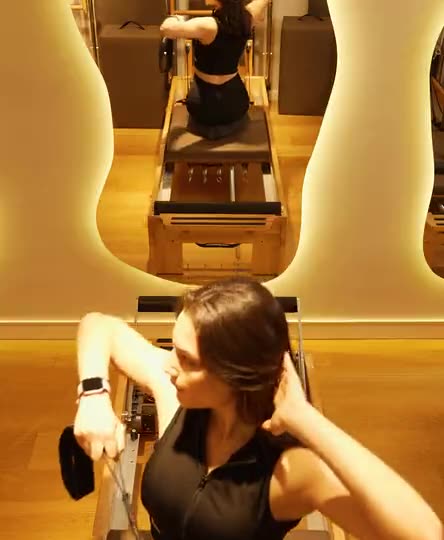
We have shot venue films for Qualia Spa & Wellness and Aqua Spa, a store promo clip for Vital Optik, an ASMR ad video for Head Therapy and a promo video for a pilates studio, all with our own team.
Short answer: Start with the film’s goal, audience and channels. Script and storyboard from there, walk the venue before the shoot and plan horizontal and vertical versions together. Finish with colour, sound, licensed music and subtitles, plus short ad cuts.
The brief: what is the film for?
A good brief can be short, but it answers these questions:
- Goal: awareness, bookings, or a new service or opening?
- Audience: who will watch, and what are they curious about?
- Channels: website, Instagram, Meta and YouTube ads, Google Business Profile, in-store screens.
- Message: the idea viewers should remember.
- Must-haves: logo, address, offer details, legal wording.
- Tone: calm or energetic, warm or luxurious; bring reference films.
Channels are the most skipped item, yet a website film opens and cuts differently from a Reels or ad film. For a clinic, read the healthcare advertising rules in Turkey before scripting; some images and claims are banned.
Script and storyboard
The script decides what the film says; the storyboard decides how it looks. Common structures:
- Mood film: no dialogue; music, light and details carry the place, a natural fit for spas and cafes.
- Narrated film: a voice-over or on-screen text explains the service.
- Talking head: the owner, doctor or trainer speaks to camera and builds trust.
- Sensory film: ASMR-style sound and texture for treatments and massage.
Open with the most striking image; the logo works harder at the end. Phone photos from the venue with a note per scene make a good storyboard. Sample rows for a spa film:
| Scene | Picture | Sound | On-screen text |
|---|---|---|---|
| Opening | Light rippling on pool water, close-up | Water, music comes in | None |
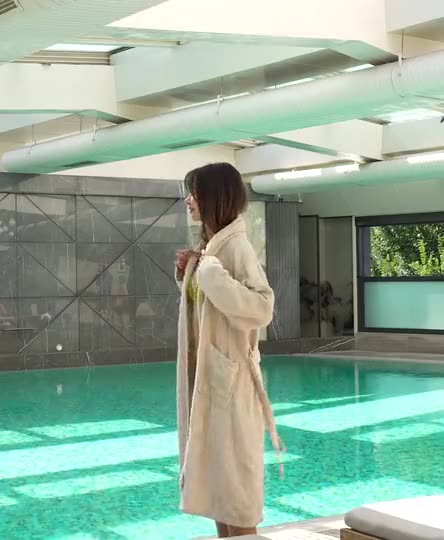
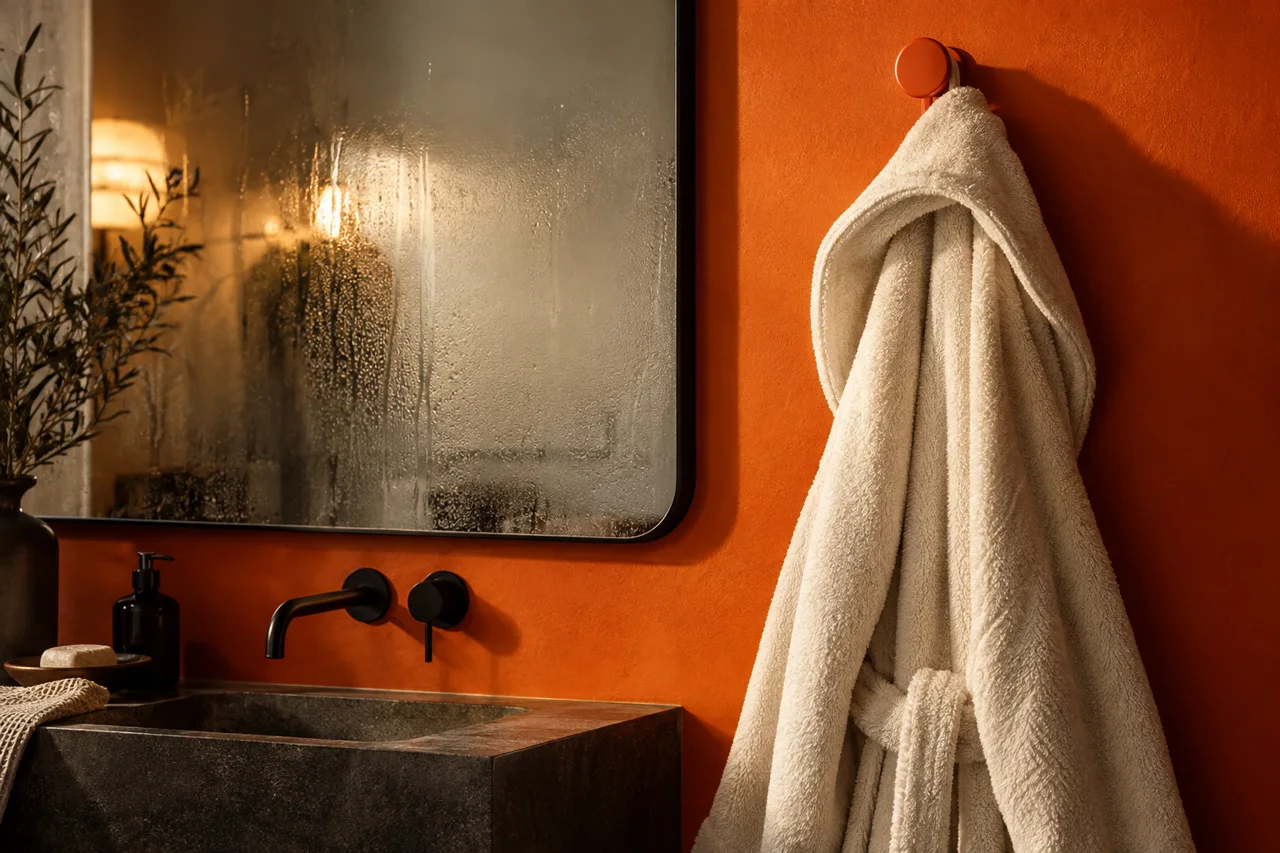
| Welcome | Folded towels, a guest in a robe | Music | Brand name |
| Experience | Hammam foam, hands at the massage table | Ambient sound and music | Service names |
| Close | Tea in the relaxation area, wide shot | Music fades out | Address and booking call |
Location planning at your venue
We shoot at your venue or on location with our own crew, so the recce matters most: walk the venue at the time of day you will shoot. What we check:
- Light: windows, the moving sun, mixed lamps, dark corners.
- Sound: air conditioning, kitchen extractors, music, street noise.
- Reflections: angles that keep the crew out of mirrors and glass.
- Humidity: lenses fog up in hammams, saunas and pools; give the kit time to adjust.
- Preparation: clean towels, labels facing forward, personal items out of frame.
Cafes are easiest to film before opening, spas when few guests are in; in Istanbul traffic, plan the crew’s arrival too. Get written consent from recognisable staff and guests. Residences, hotels and malls usually require approval for common areas, and street filming may need a permit. Our team also casts any models and actors.
The shoot day
A shoot day follows the light and the venue, not the script: daylight scenes while the light is best, wide shots while the venue is ready, then people and details. Checklist:
- Key scenes are shot in horizontal and vertical, or framed to crop to vertical.
- Plenty of B-roll: hands, textures, pouring water, steam; the edit breathes through it.
- Ambient sound in every space; lavalier mics for dialogue, with air conditioning and music off.
- Continuity: drinks, towels, hair and clothing stay consistent.
- A decision-maker from the business approves frames on set.
- Memory cards are backed up the same day.
Editing, colour, sound and licensed music
Editing rewrites the film from the footage: rough cut, feedback through a contact person at the business, fine cut. Every shot should inform or leave a feeling.
Colour
Shots from different light are matched (colour correction), then graded: warm and soft for a spa, lively but natural for a cafe, with true skin and product colours.
Sound
Viewers forgive a weak picture sooner than bad sound. Clean and balance ambient sound, voice-over and music separately, then check the mix on a phone speaker.
Licensed music
A well-known song in an ad needs permission from the owners of the composition and the recording. The practical route is a library whose commercial licence covers ads, your website and social media; keep it on file. Instagram’s in-app library is limited for business accounts, and its popular tracks often can’t be used in ads.
Horizontal and vertical versions, subtitles and using the film
A promo film is a family of versions from the same shoot. The vertical cut is not a cropped horizontal film: it opens faster, with bigger text and closer framing.
| Version | Where it runs | What to watch |
|---|---|---|
| Horizontal main film | Website, YouTube, in-store screens | The full story, plus a short silent loop for the website. |
| Vertical cut | Reels, stories, vertical Meta placements | A strong opening; text in the middle, clear of the interface. |
| Short ad cuts | Meta and YouTube ads | Different openings to test; the brand shows before viewers can skip. |
| Service clips | Instagram posts, Google Business Profile | Each area or service in its own short video. |
Subtitles
Many people watch with the sound off. Burn subtitles into feed and ad versions, upload a subtitle file to YouTube and proofread automatic captions. For Istanbul venues with international guests, an English-subtitled version helps.
Using it in ads and on social media
Post the vertical cut as a Reel, pin it and link stories to the booking page. In Meta ads, test different openings, then retarget viewers with a booking ad. Performance Max may build its own video from your images unless you upload a cut. Service clips also suit your Google Business Profile, and conversion tracking shows what the film brings in.
If you are planning a promo film, our photo and video production page explains how we work.
Frequently asked questions
Should a promo film be shot at the venue?
If the venue is the brand, yes. We shoot at your venue or on location with our own crew, bringing the equipment and lights.
Can the same shoot give horizontal and vertical films?
Yes, if it is planned before the shoot. A vertical version thought of afterwards often cuts people and products at the edges.
What music can a promo film use?
Music whose commercial licence covers every channel where the film runs; a well-known song needs separate permission for composition and recording.
Does a promo film need subtitles?
For social media and ad versions, yes: many people watch on mute, and subtitles also make films with dialogue more accessible.